Meubelvorm

813532b883b26e34f540a6f7971f706320230621154947120fa19056e54ef3b897f61a381abd1b


SUNJOY PLASTIC INJECTION MOULD has established a strong supply chain for various plastic molds such as auto parts molds. We specialize in the production of household product molds, electrical appliance molds, industrial molds, pipe fitting molds, etc. We have also established a dedicated second-hand mold collection and integration team.

One-Stop Solution

We provide convenient one-stop services to help customers obtain injection molding machines and spare parts, molds and spare parts, plastic raw materials and masterbatch.

24H Online Service

Our customer service representatives are available 24/7 to assist you with any inquiries, technical issues, or after-sales services.


2536a48bf6f34b057b9f84f41b8a2daarattan-design-table-and-chair-mouldbd3c4fff-009c-4afd-8b6b-4a698e8d61d1


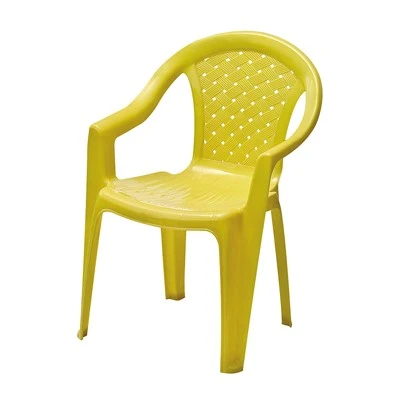
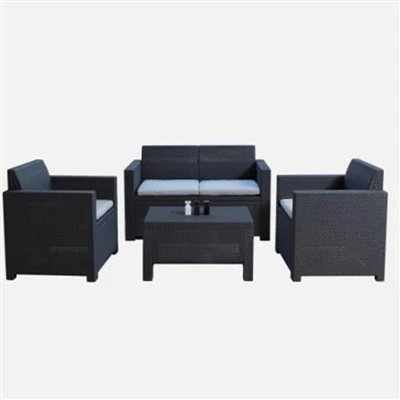
Furniture injection mold technology has the characteristics of efficient production and can produce high-quality products with simple equipment, improving production efficiency and reducing costs.


Realize Multi-Material Composite Production

Furniture injection molds can produce products of a variety of different materials to meet customers' higher multi-level, complex, advanced and other requirements, and adapt to the needs of diversified market development.


Furniture injection molds can achieve high-quality production and manufacturing of products, and improve product reliability and durability so that products can better adapt to market demand.


5bf81faa78e3d92278c451ae4c15e212baby-chair-moulde8088df3-8dad-4182-a48e-936d2999d737


Tool Steel (such as P20, H13)

Tool steels are widely used in injection molding due to their excellent hardness, wear resistance, and machinability. P20 is a versatile, pre-hardened steel suitable for many applications, while H13 is a hot work steel known for its high heat resistance.

01

Stainless Steel (such as 420 and 440)

02

03

Beryllium-Copper Alloy

Beryllium-copper alloys offer good thermal conductivity, high hardness, and corrosion resistance. They are suitable for molds with complex geometries and those requiring rapid heat dissipation.

04

Nickel-based alloys, such as Inconel, are chosen for their high-temperature resistance and corrosion resistance. These alloys are suitable for mold processing high-temperature engineering plastics.

05


1.Mould Base:


2.Mould Cavity:


3.Core:


4.Runner System:


5.Ejector System:


6.Cooling System:


7.Venting System:


7968c352090872003b6b5dd9d13f0478rattan-design-table-and-chair-moulde3903b62-22be-4886-bdaa-3fe64003ac70
f8db3b28c9f7bd200ab690bdaf5d95cdsofa-mould3dc7edb4-aa18-44bc-bfad-cf60541a51bc


A: Injection molding is a method of creating plastic furniture or furniture pieces that require heating plastic pellets to a liquid state and forcing the liquid into a double-sided, 3D mold using a high-pressure injection tool.

A: Polyvinyl chloride, or PVC, is the most common type. One convincing reason why most people prefer to buy plastic furnishings is its low cost. Because PVC is often mass-produced and inexpensive, furniture built from this material is quite inexpensive.

A: Injection molding offers several advantages for manufacturing plastic chairs. It is cost-effective, allowing for high-volume production at a lower per-unit cost. The process also provides design flexibility, enabling the creation of intricate and complex chair designs. Injection molding produces chairs with a smooth and consistent finish, ensuring high-quality results. Plastic chairs made through this method are durable, lightweight, and resistant to weather conditions, enhancing their lifespan and usability.

A: Using furniture moulds allows for mass production of consistent and high-quality furniture components. It also helps reduce production costs and increases efficiency.

A: Yes, damaged furniture moulds can often be repaired. Minor damages can be fixed through polishing or welding, while more significant damages may require re-machining or replacing specific components.

Q: What is the difference between single-cavity and multi-cavity furniture moulds?

A: Single-cavity moulds, as the name suggests, have only one cavity. This means that only one furniture piece can be produced at a time using this mould. Single-cavity moulds are often preferred for smaller production runs or when specific customization is required for each piece of furniture.
On the other hand, multi-cavity moulds have multiple cavities, allowing for the simultaneous production of multiple furniture pieces in one moulding cycle. These moulds can have 2, 4, 8, or even more cavities, depending on the size and complexity of the furniture pieces being produced. Multi-cavity moulds are commonly used for high-volume production runs, as they can significantly increase production efficiency and reduce cycle times.

A: While furniture moulds offer a wide range of design possibilities, certain complex shapes or intricate details may be challenging to achieve with traditional moulding techniques. Advanced technologies like 3D printing can help overcome some of these limitations.

A: Yes, furniture moulds can be used for prototyping furniture components. However, rapid prototyping techniques like 3D printing are often preferred for faster and cost-effective iterations during the design phase.


whatsapp

Telefoon

E-mail

Onderzoek